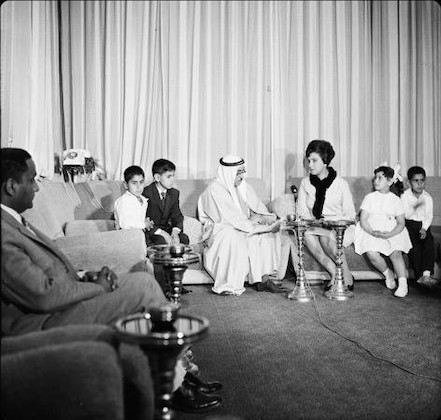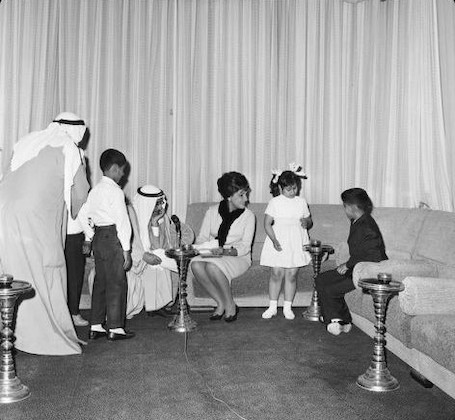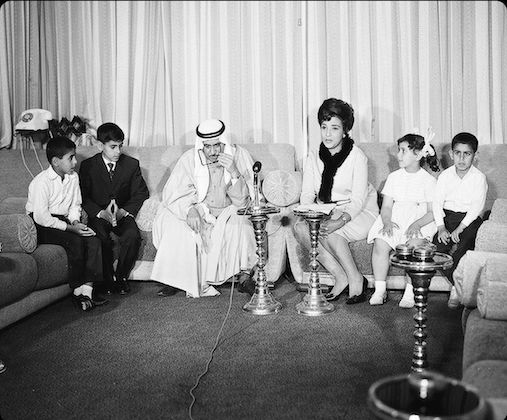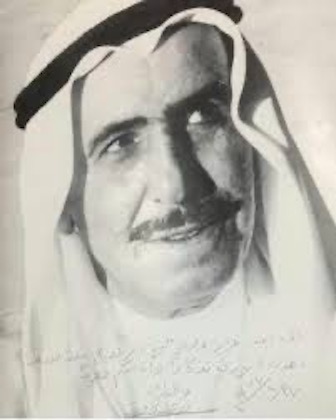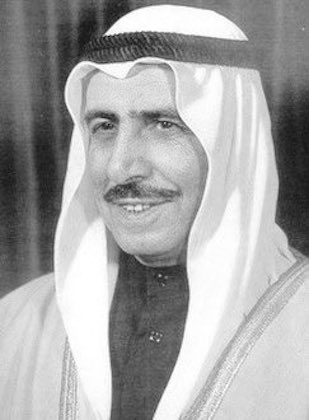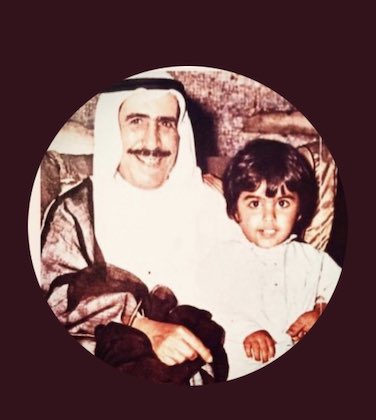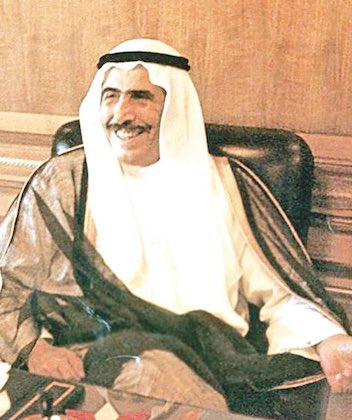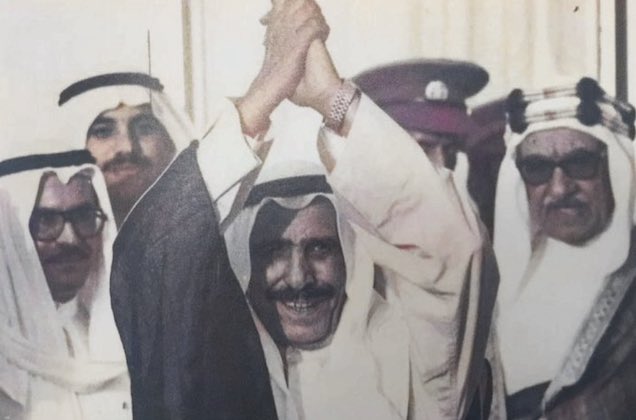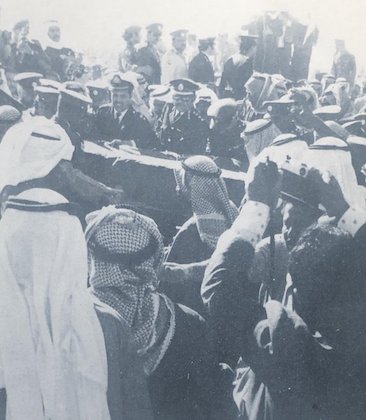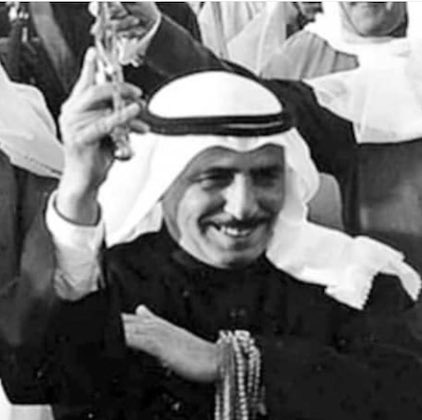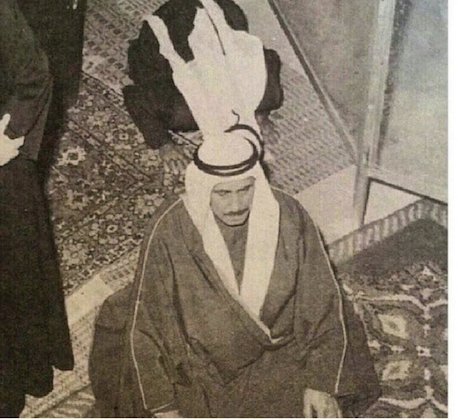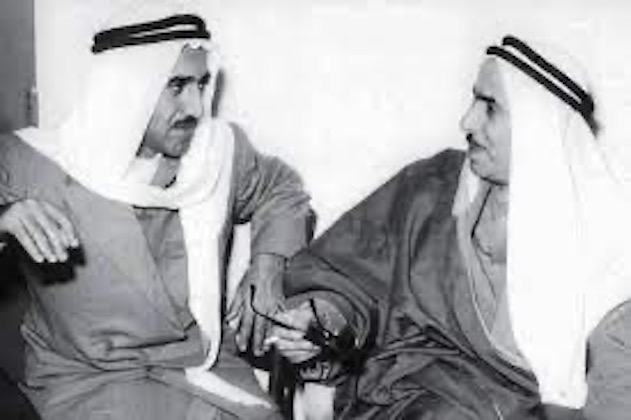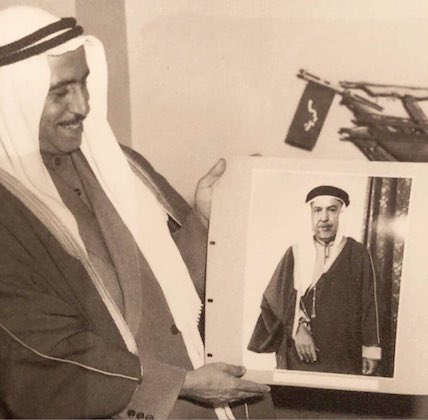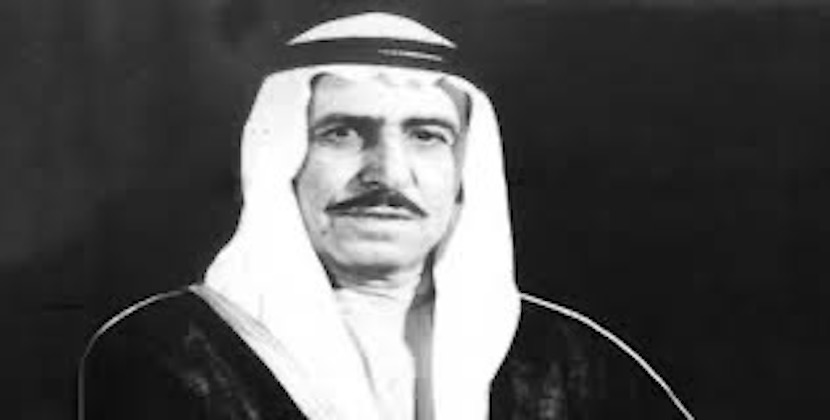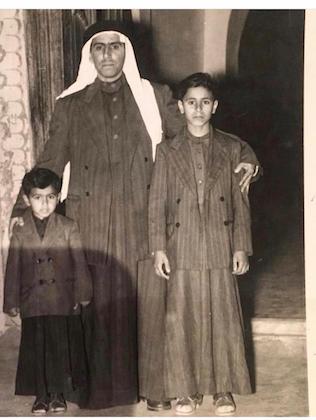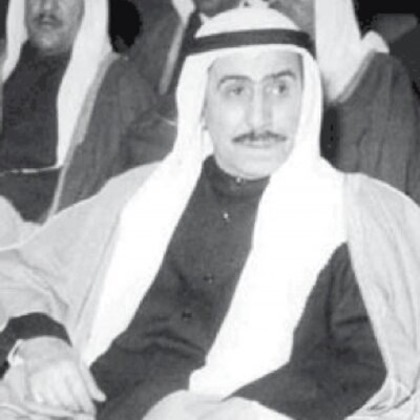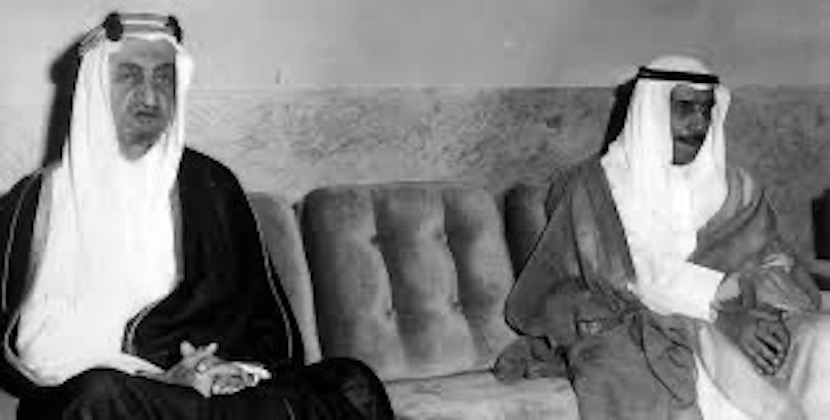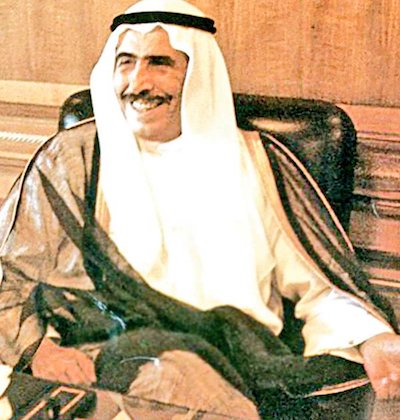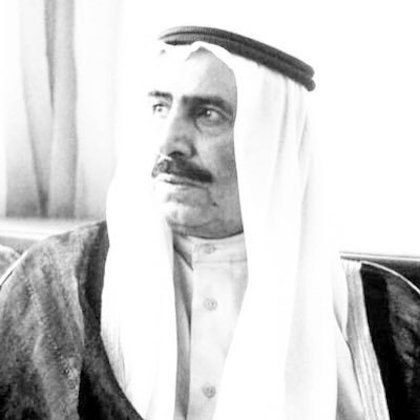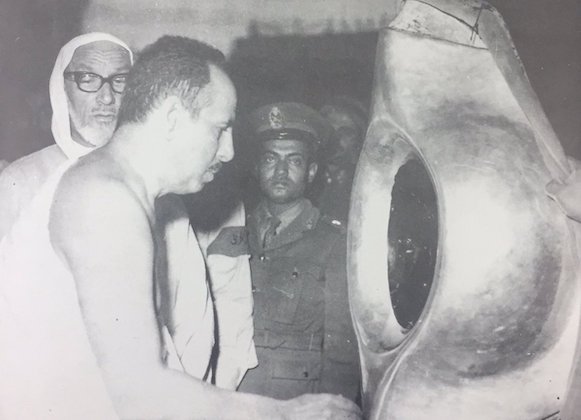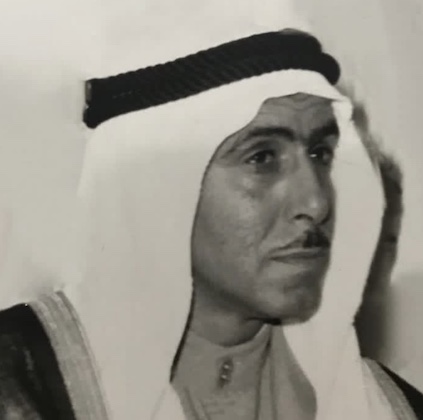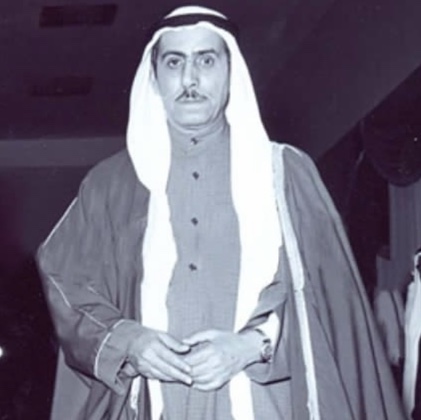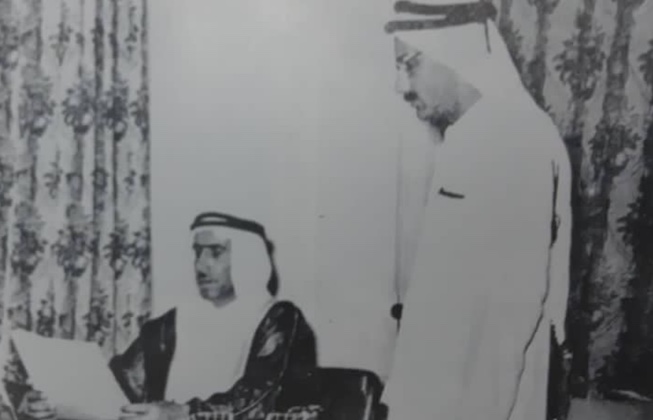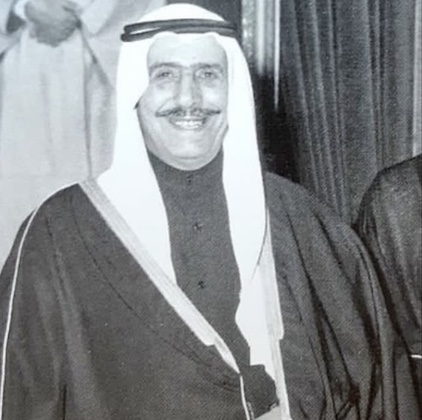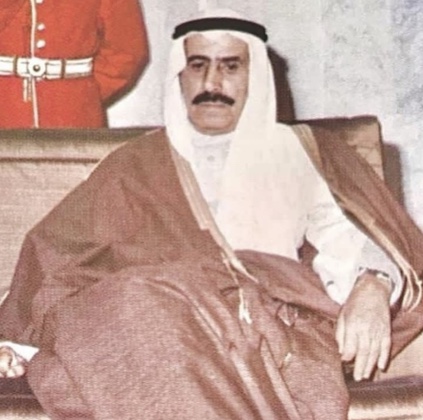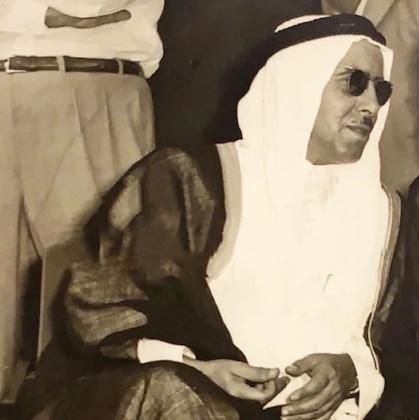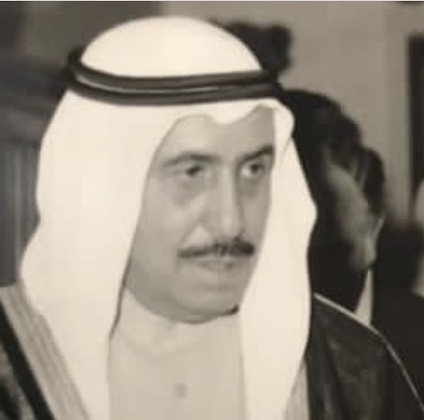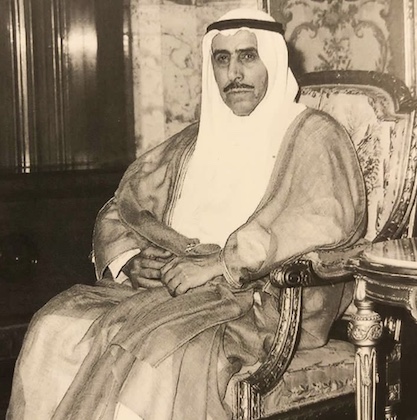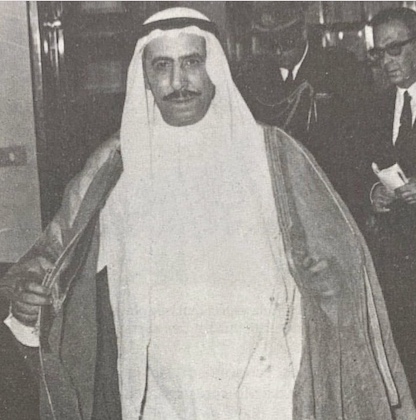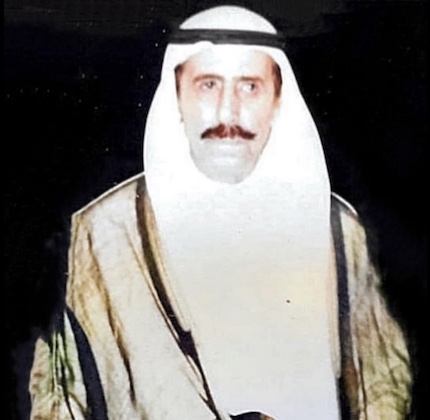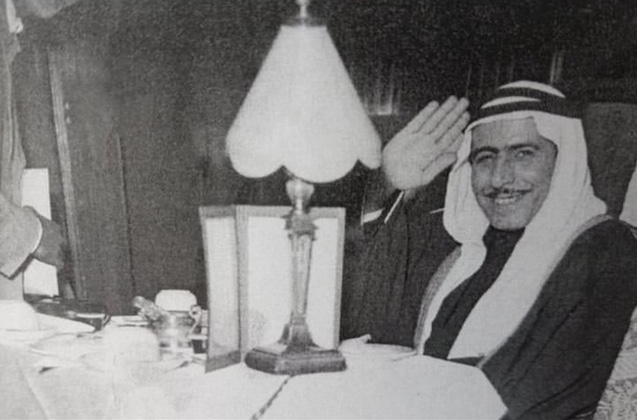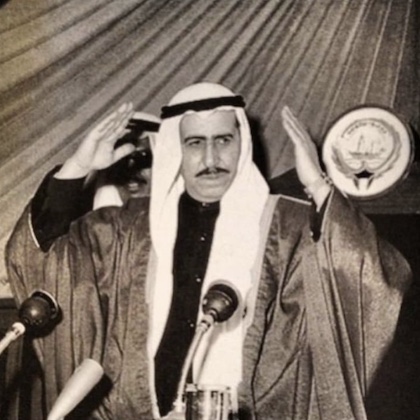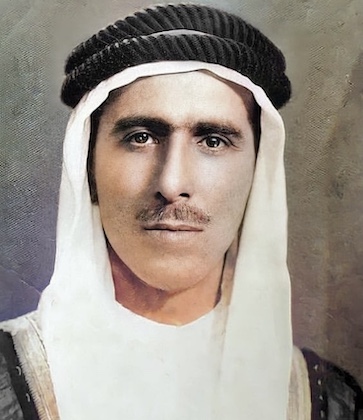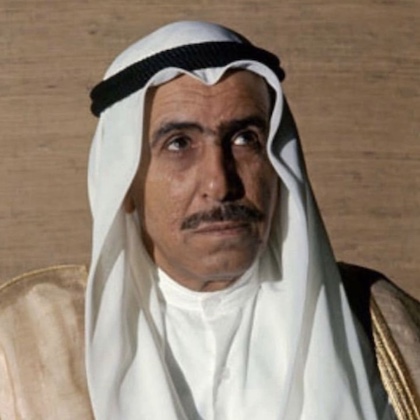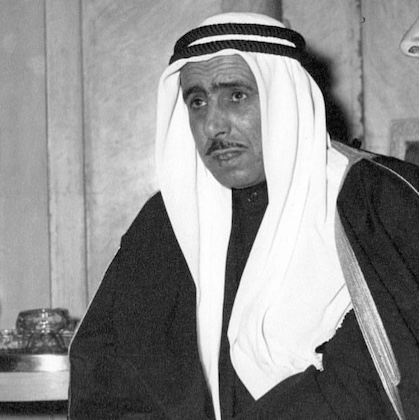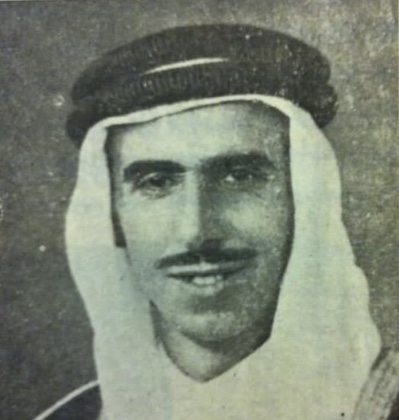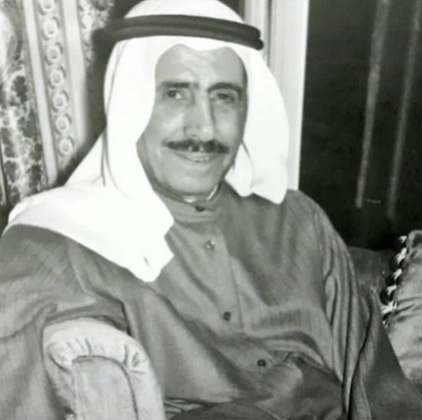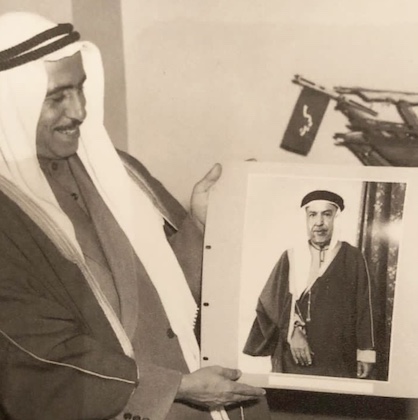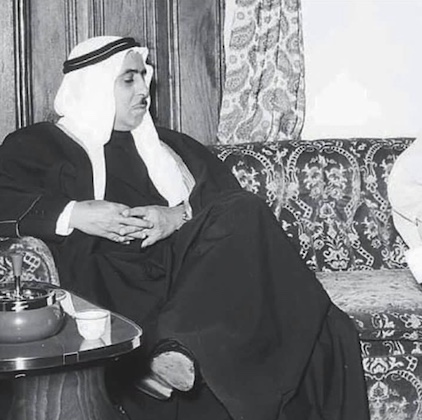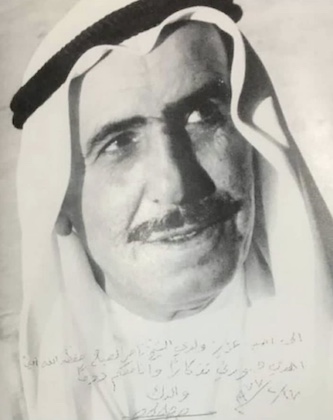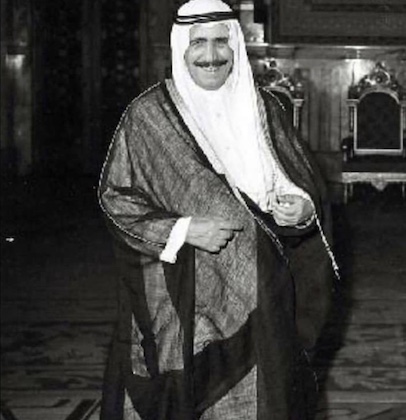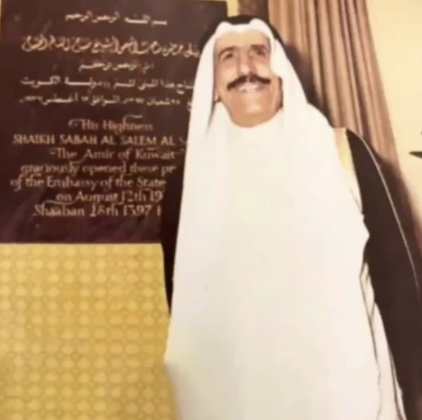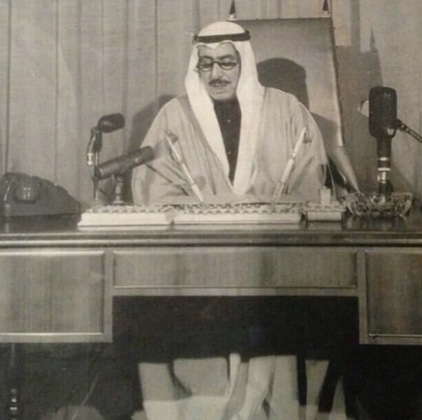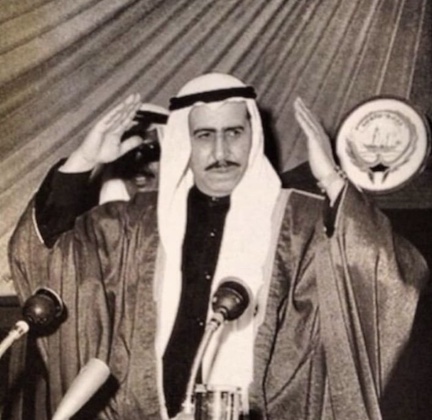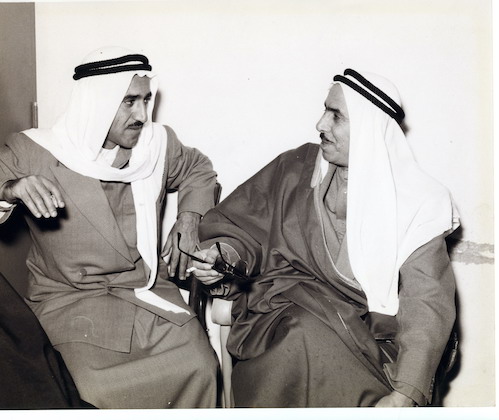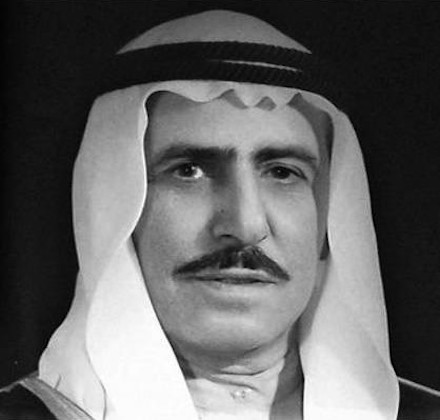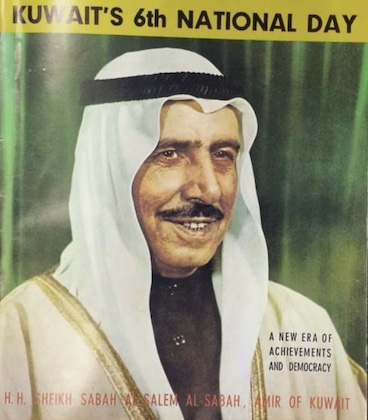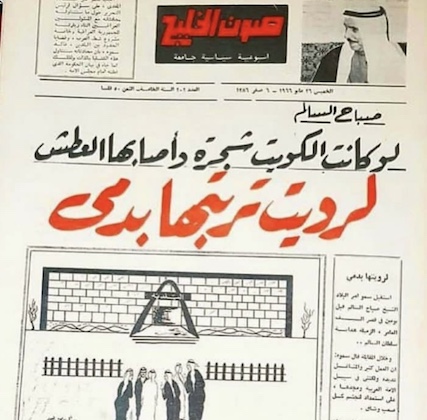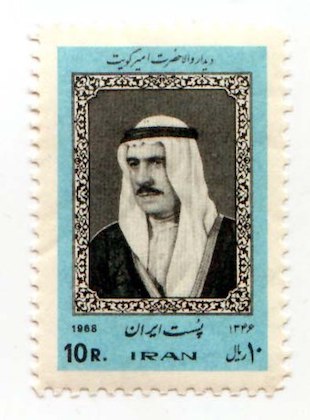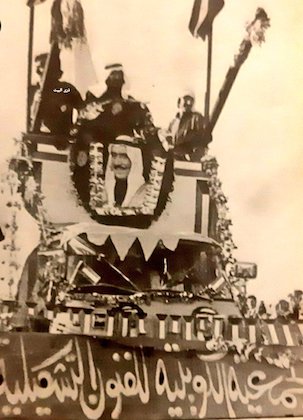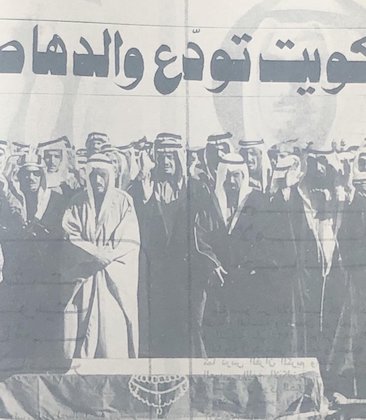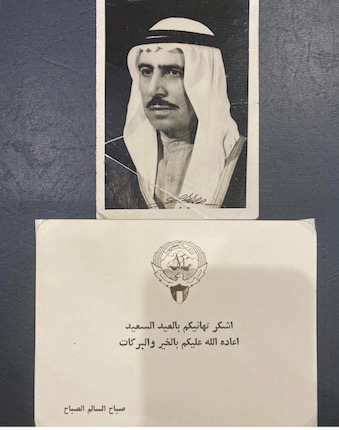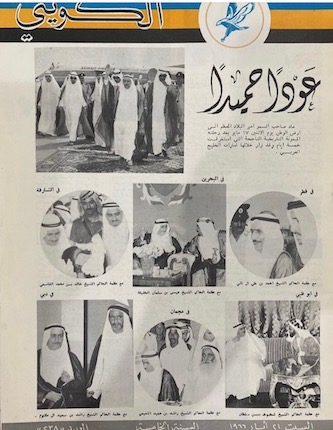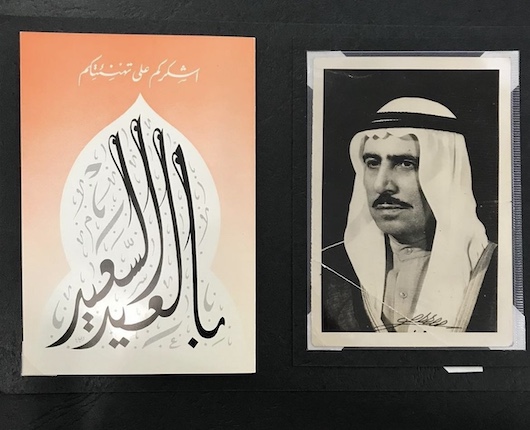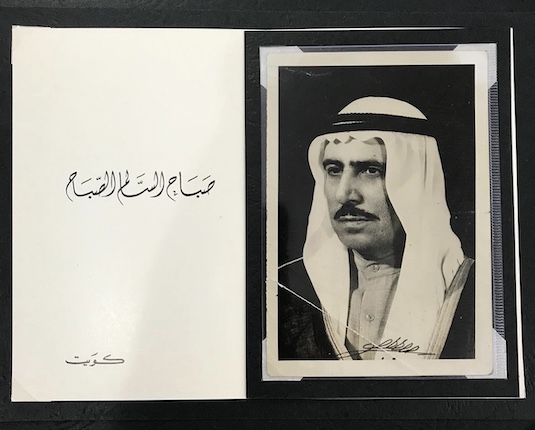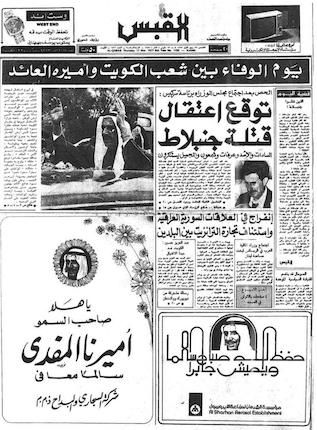


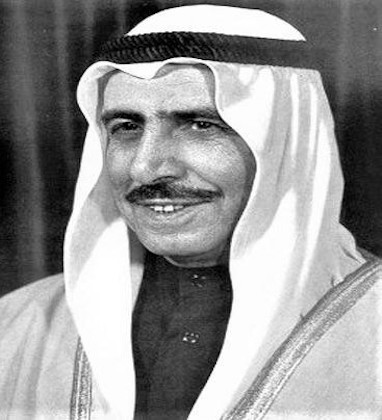
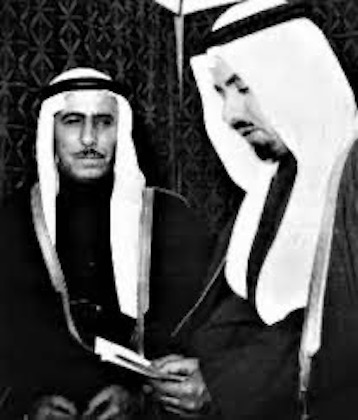
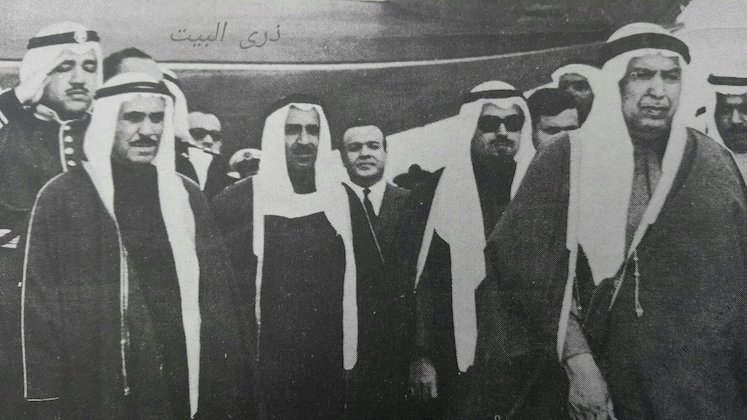
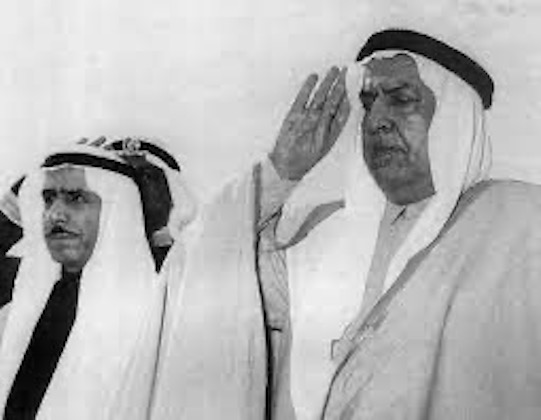
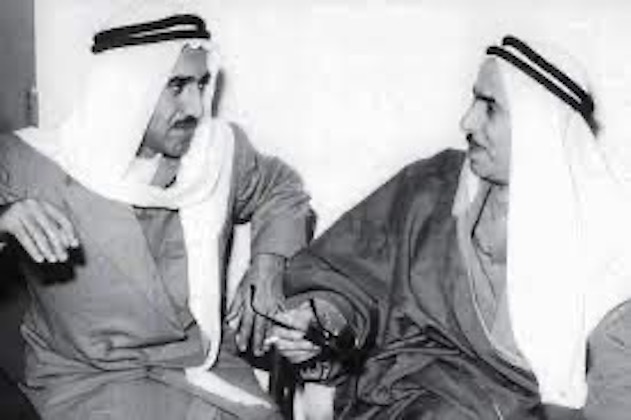
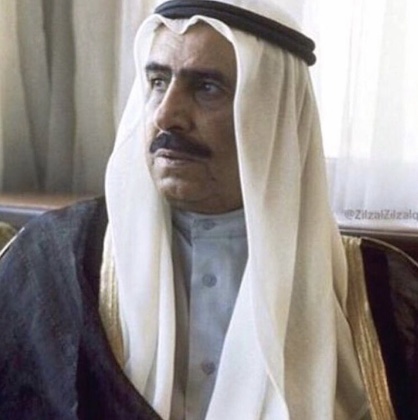
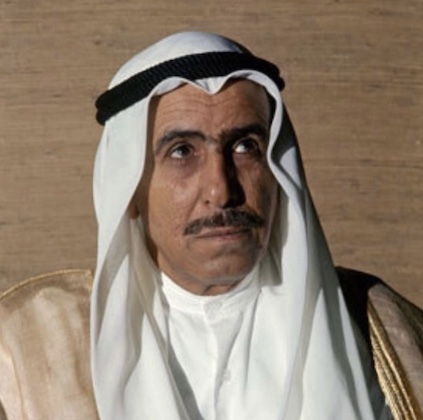
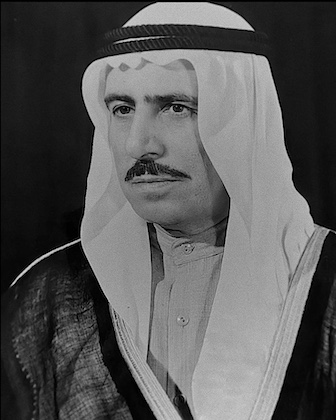
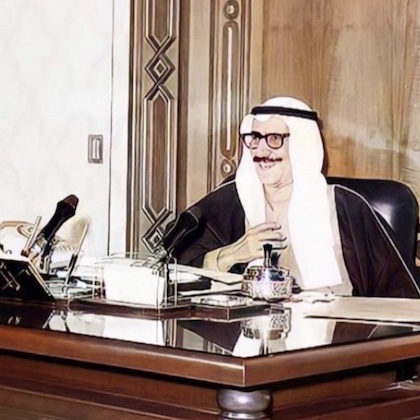
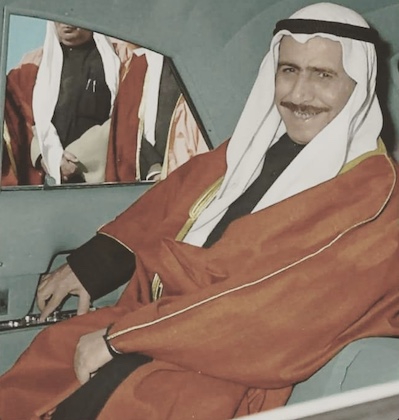
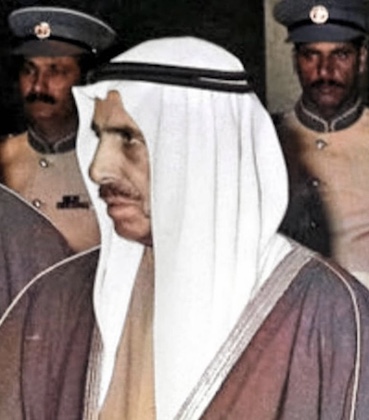
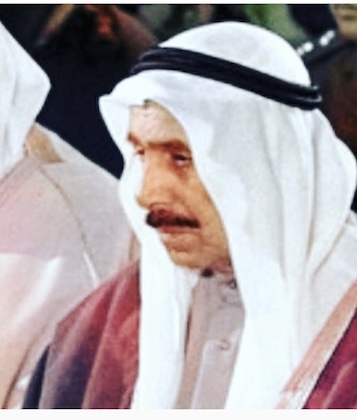
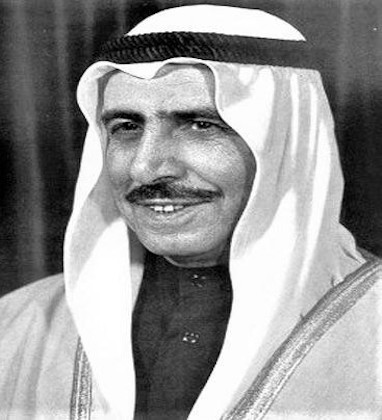
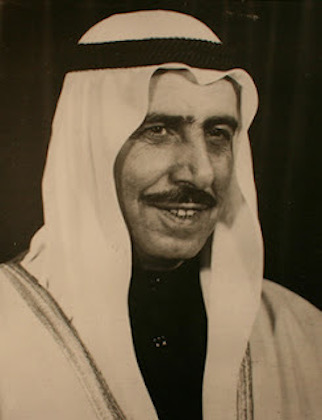
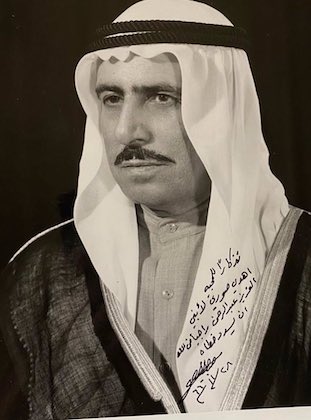
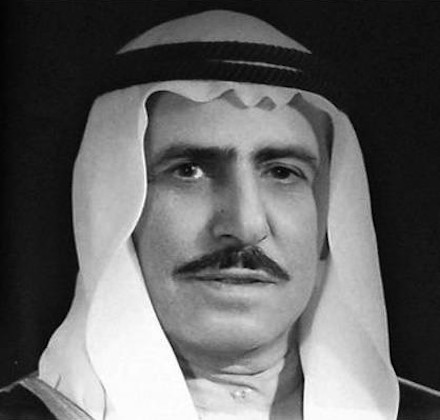
Shaikh Sabah Al Salem Al Mubarak Al Sabah
Sheikh Sabah Al-Salem Al-Mubarak Al-Sabah
The 12th Amir of the State of Kuwait (1965–1977)
Historical Overview
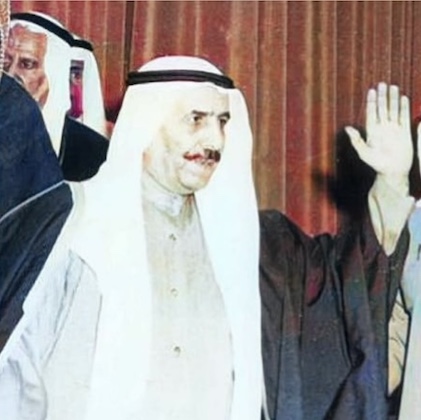
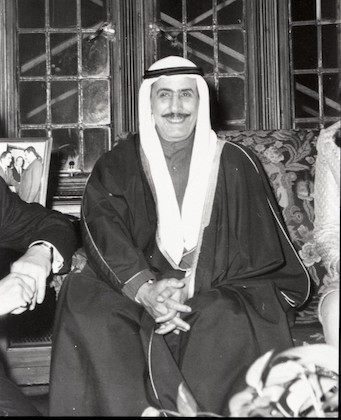
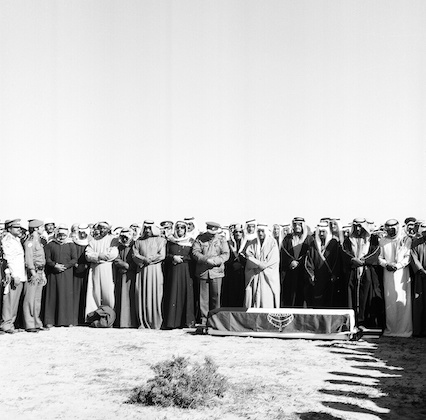
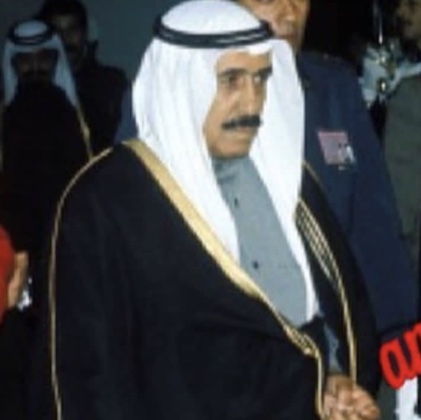
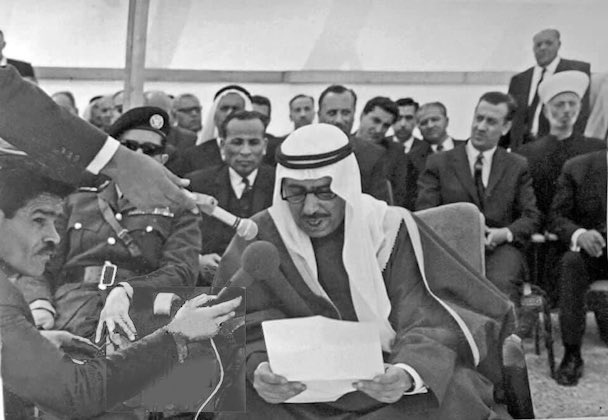
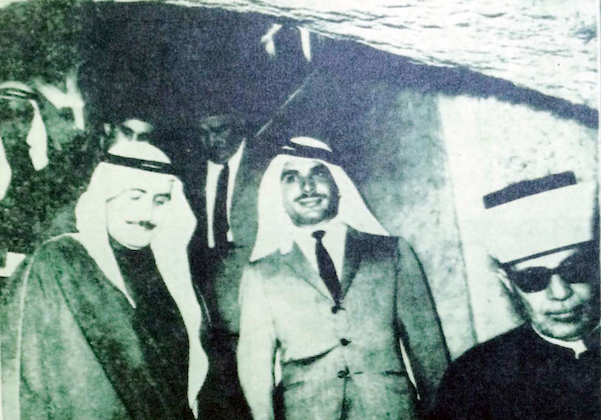
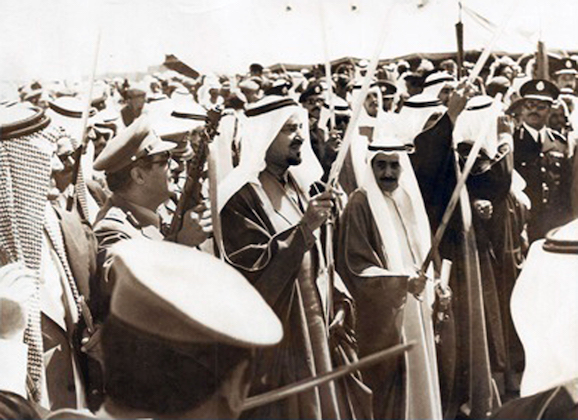
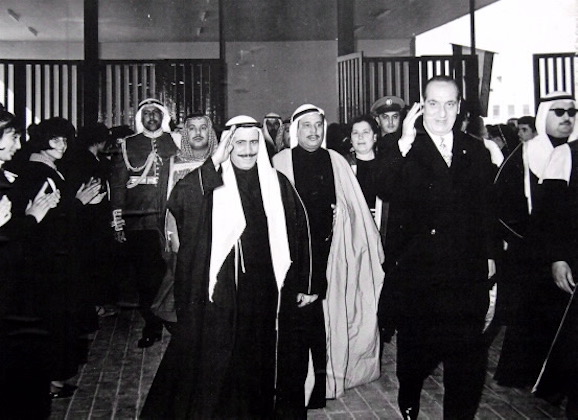
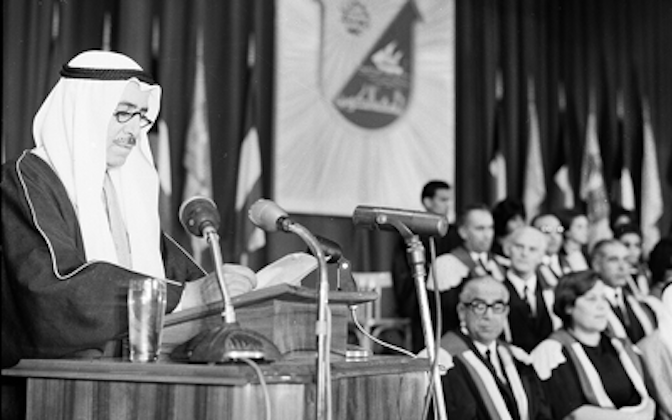
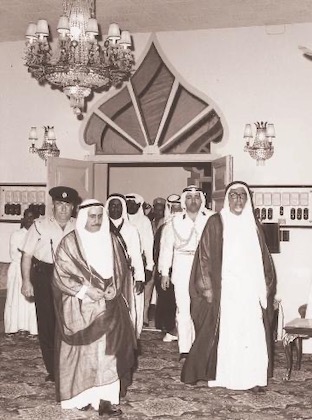
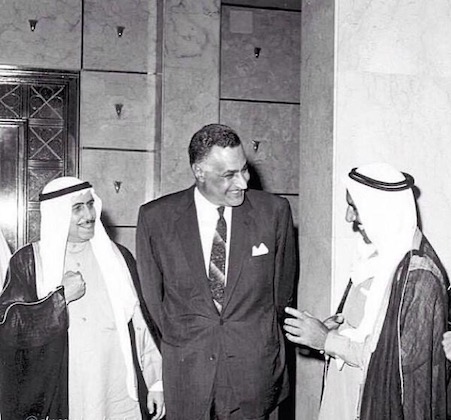
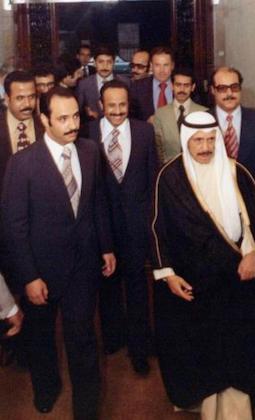
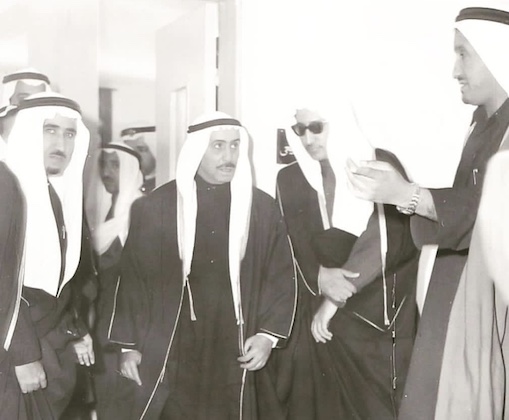
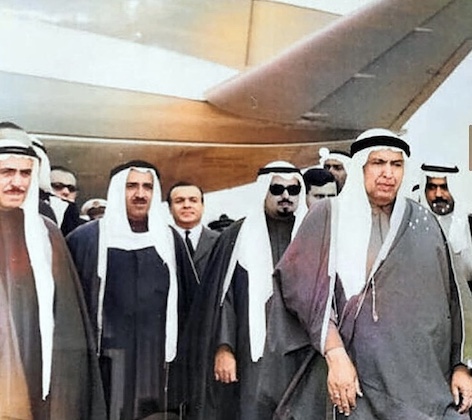
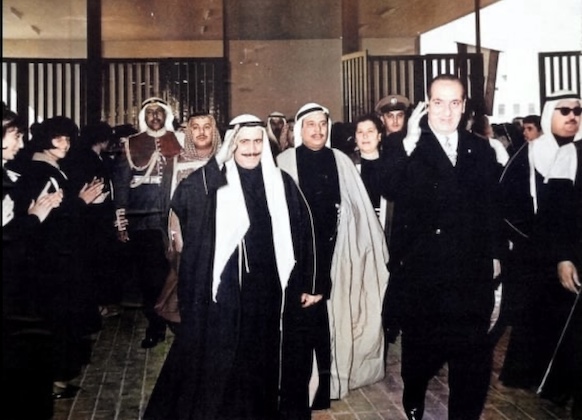
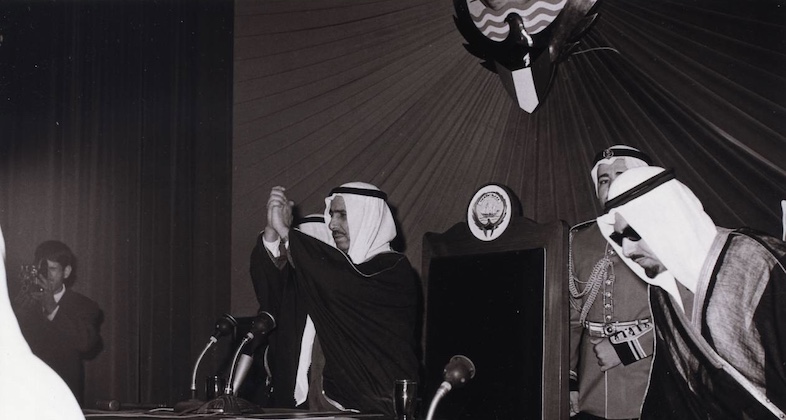
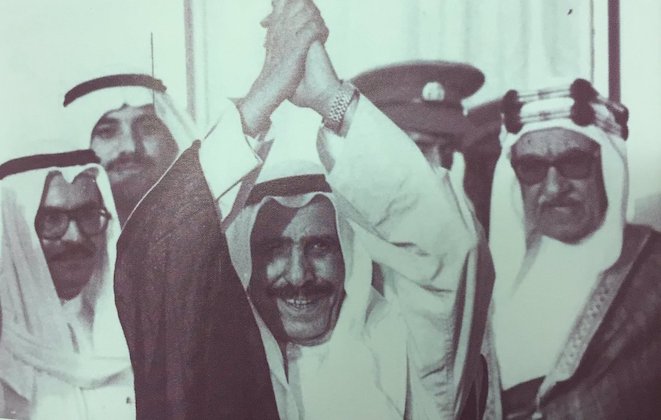
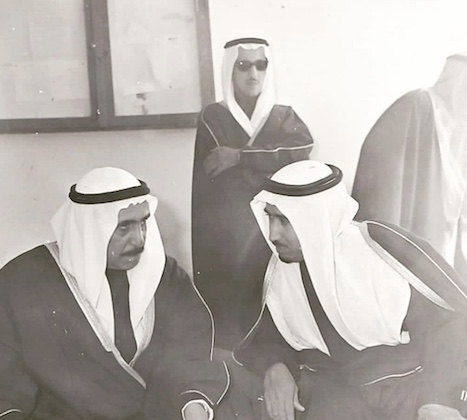
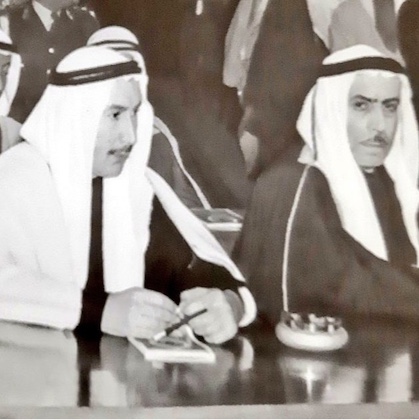
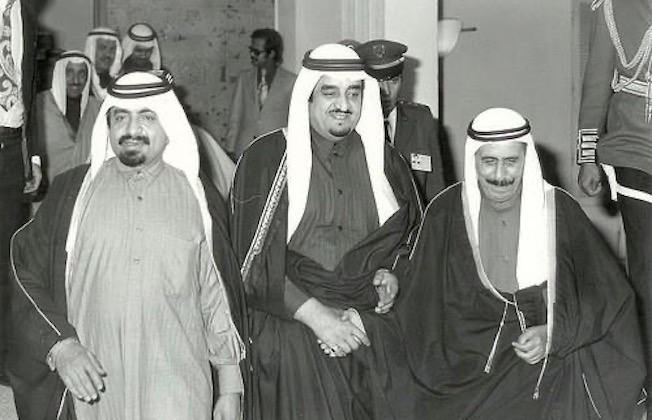
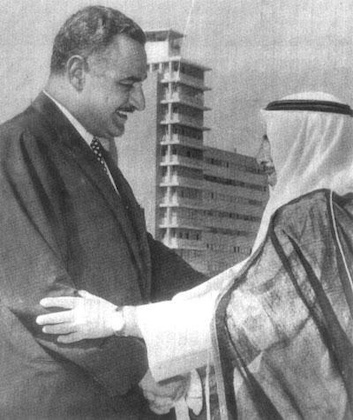
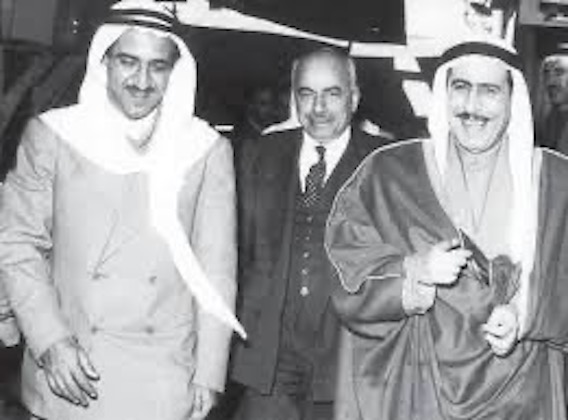
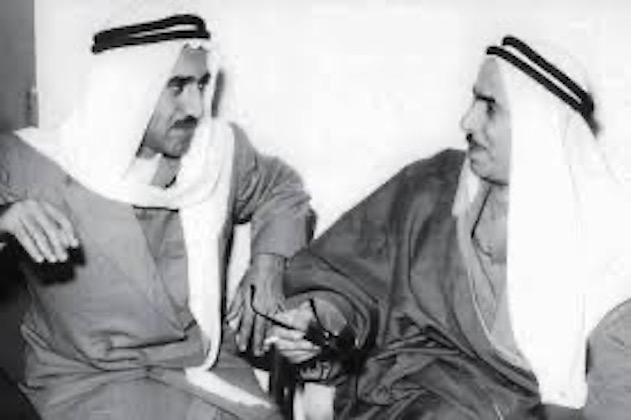
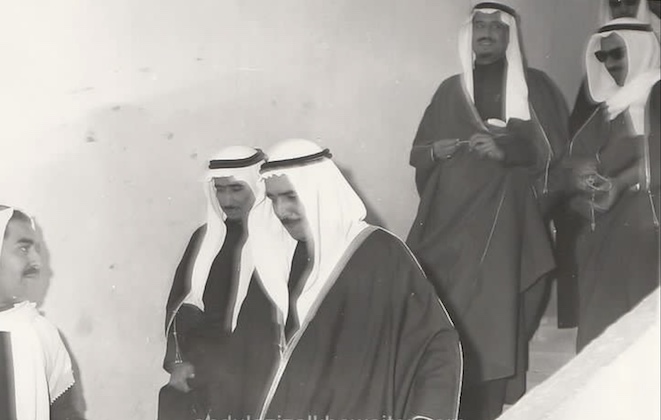
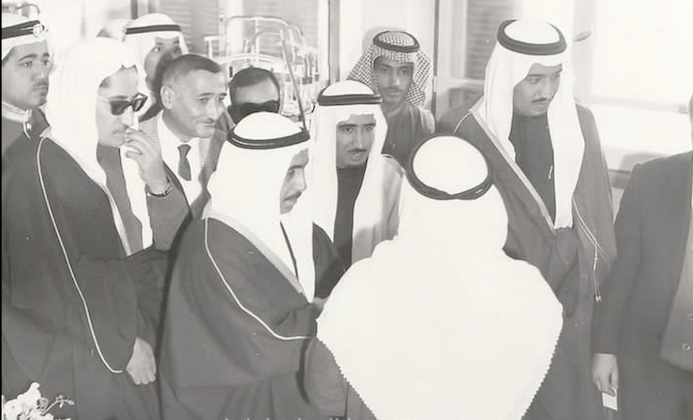
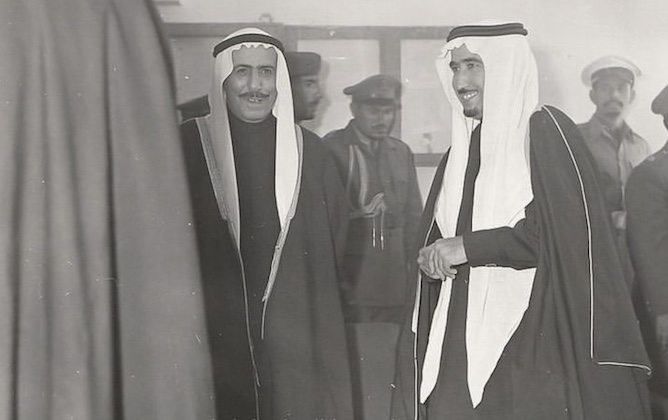
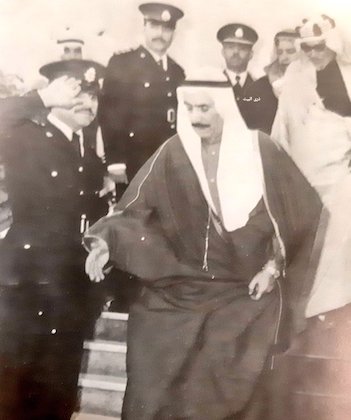
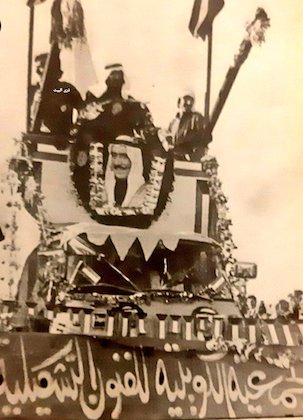
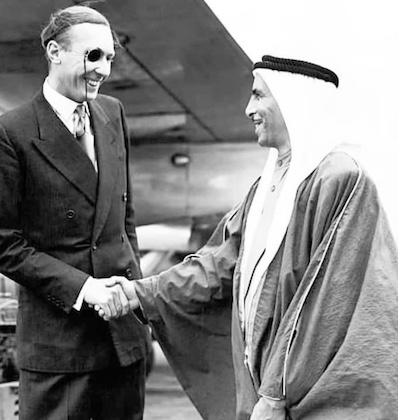
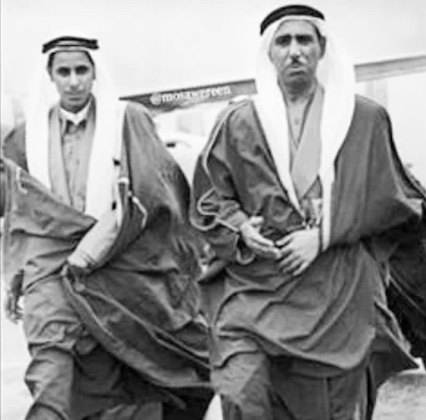
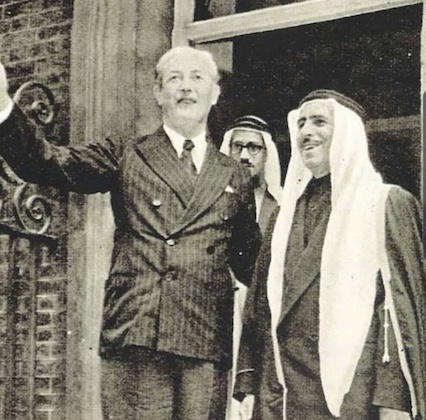
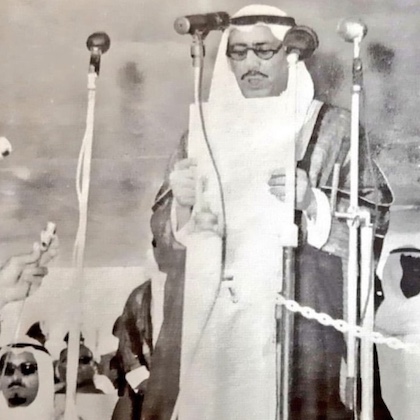
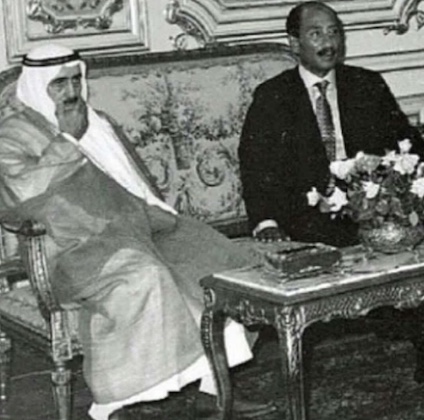
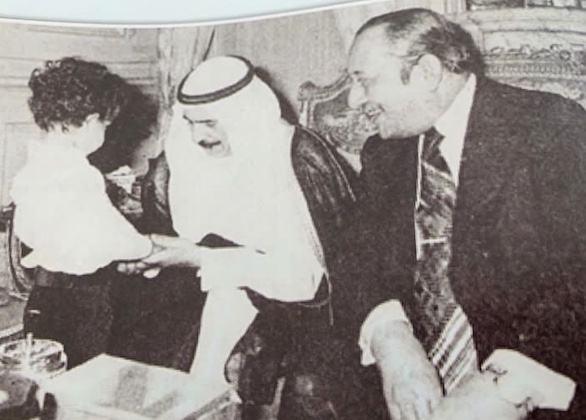
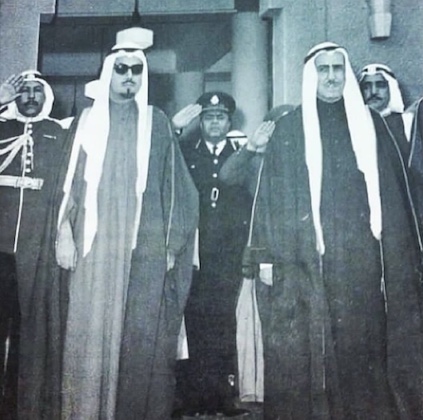
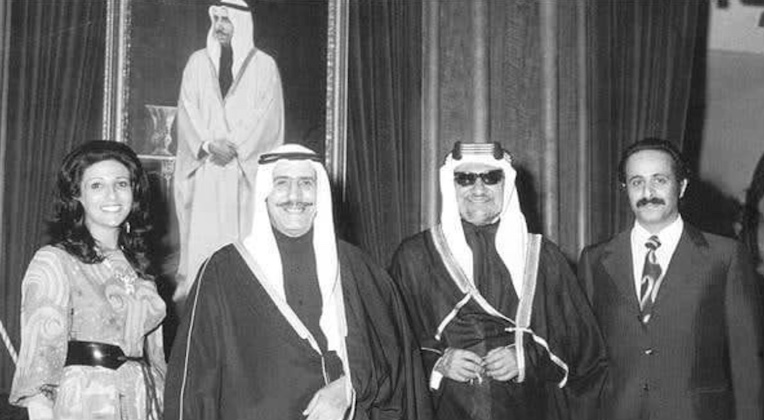
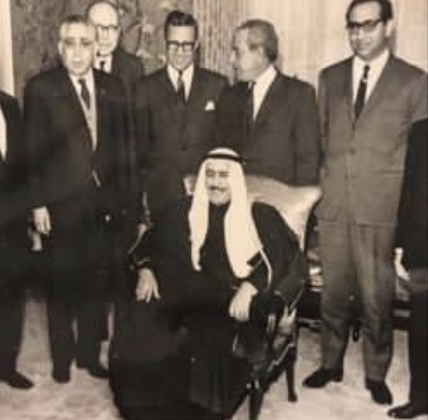
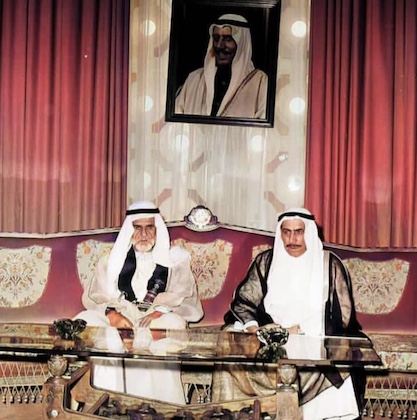
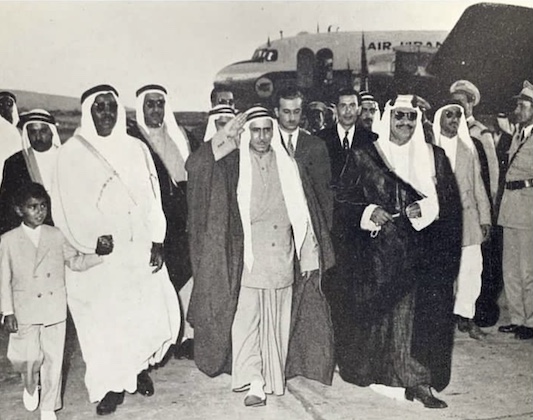
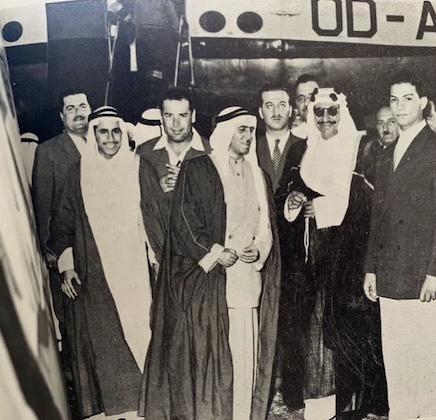
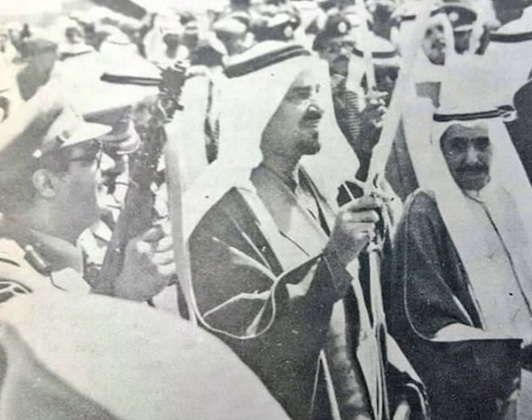
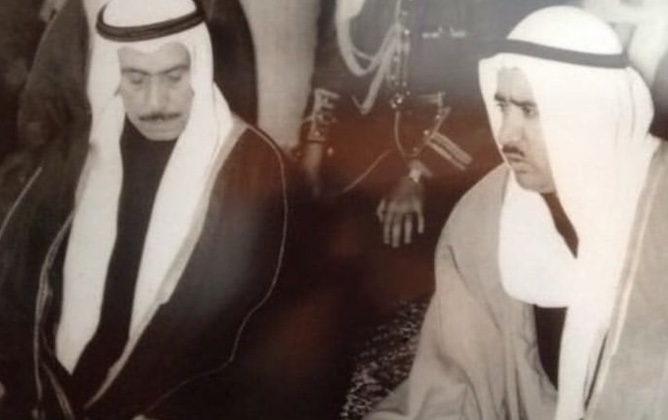
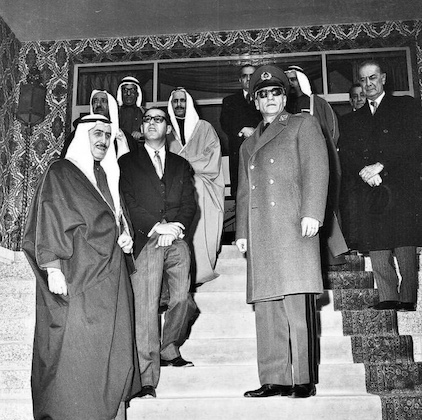
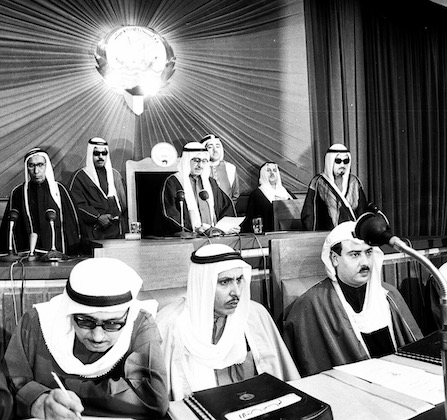
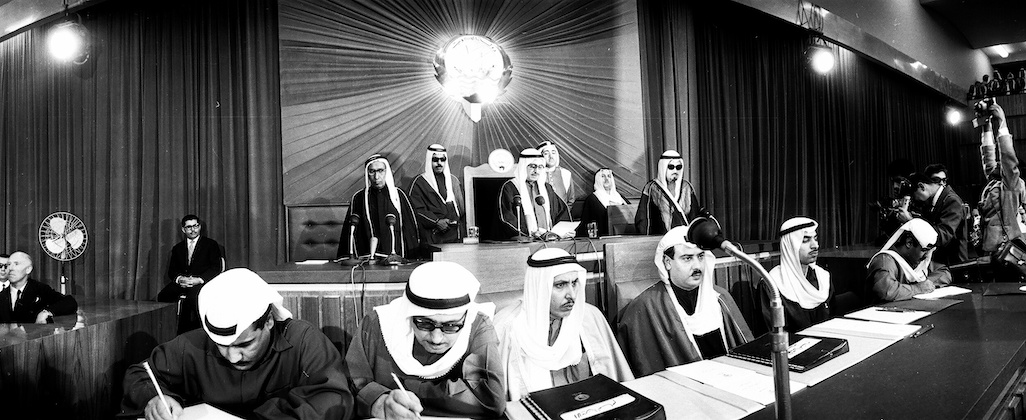
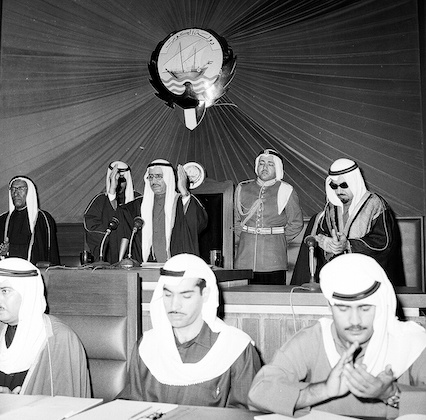
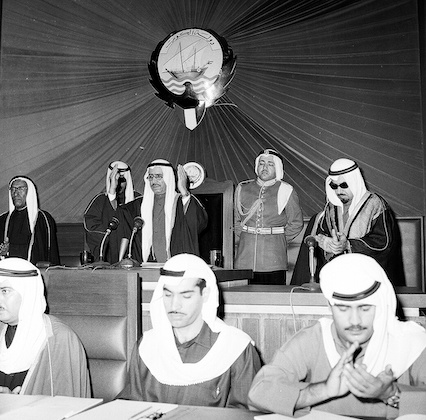
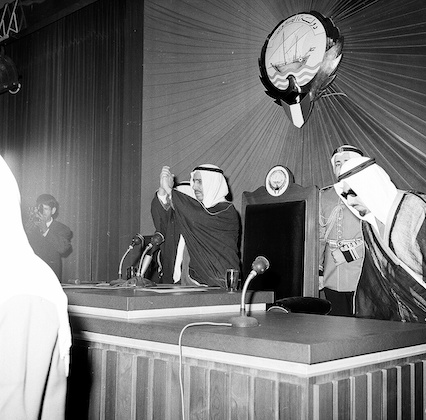
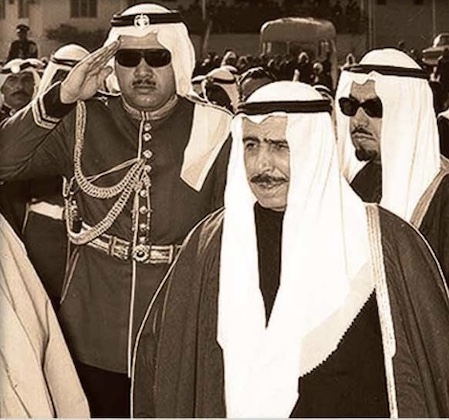
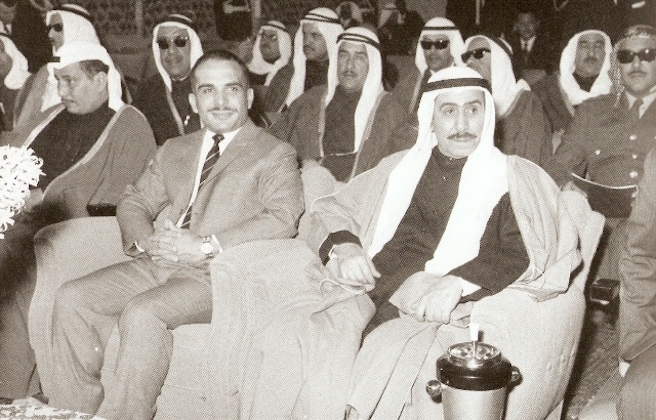
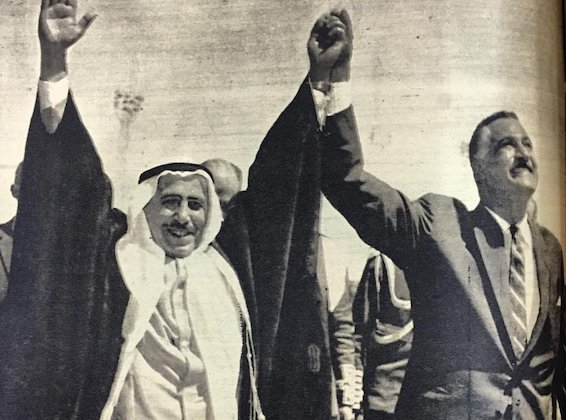
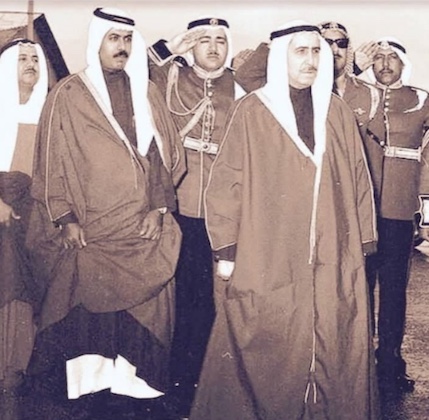
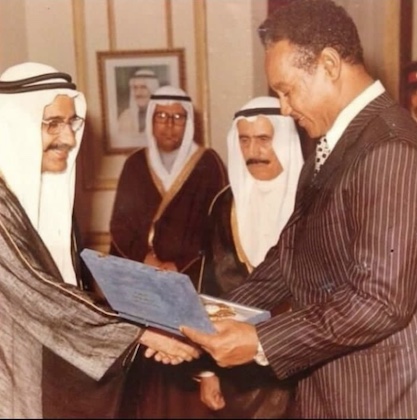
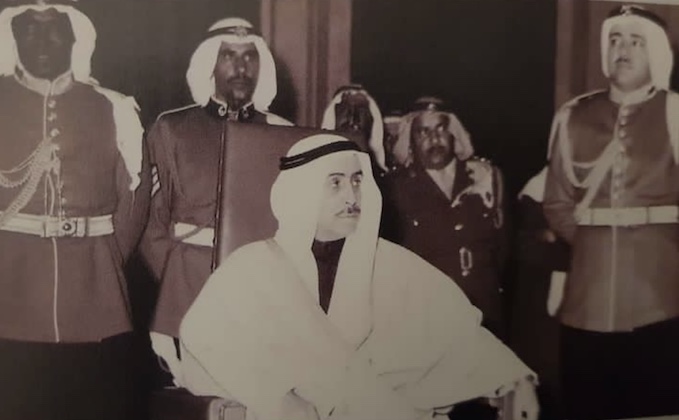
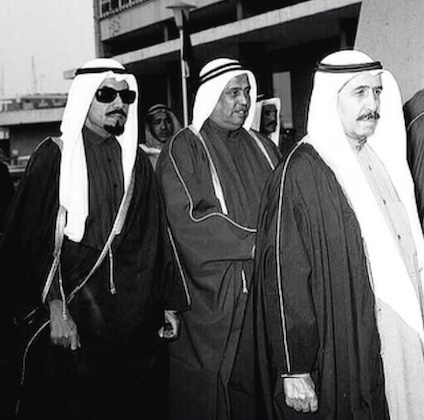
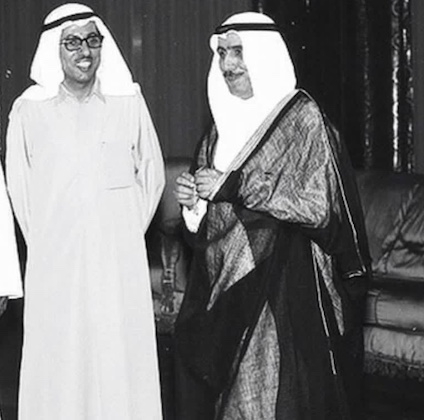
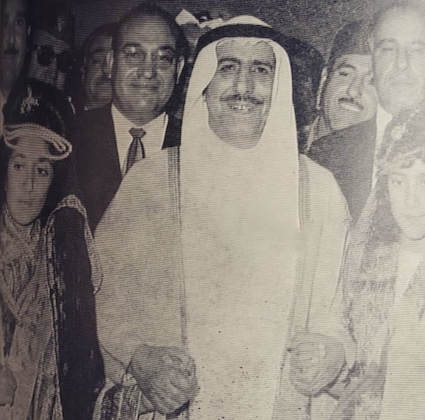
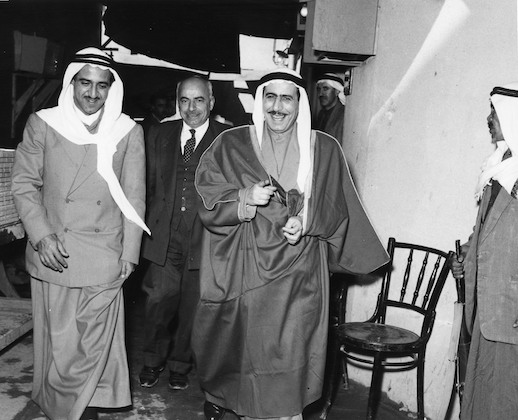
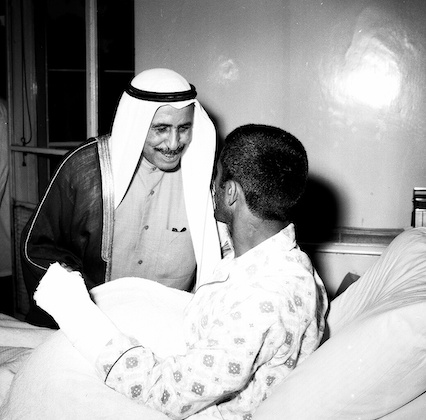
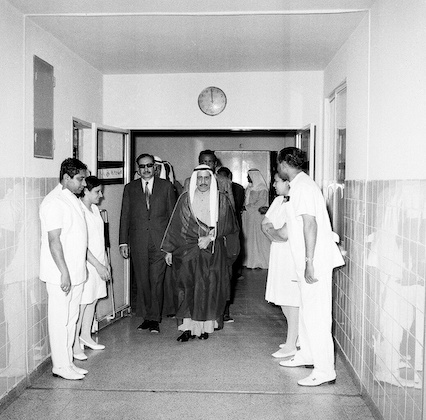
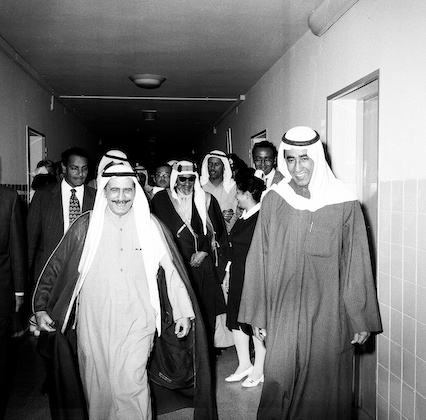
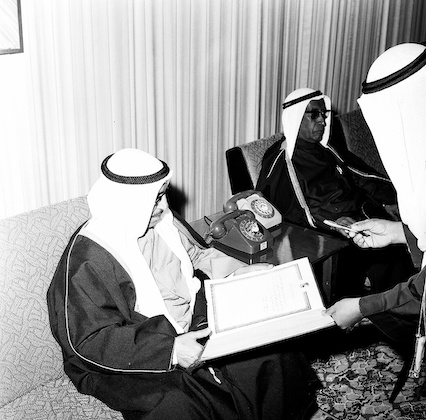
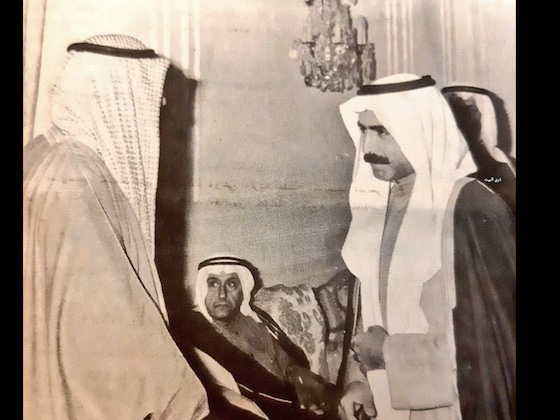
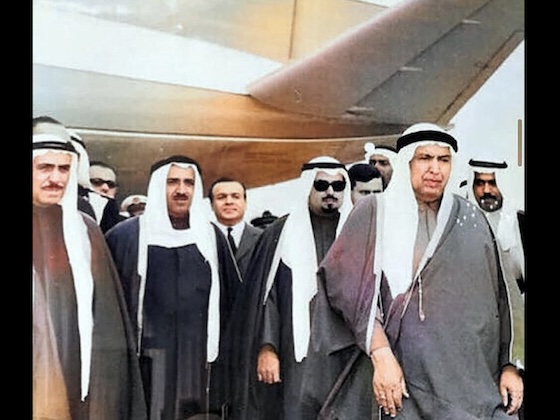
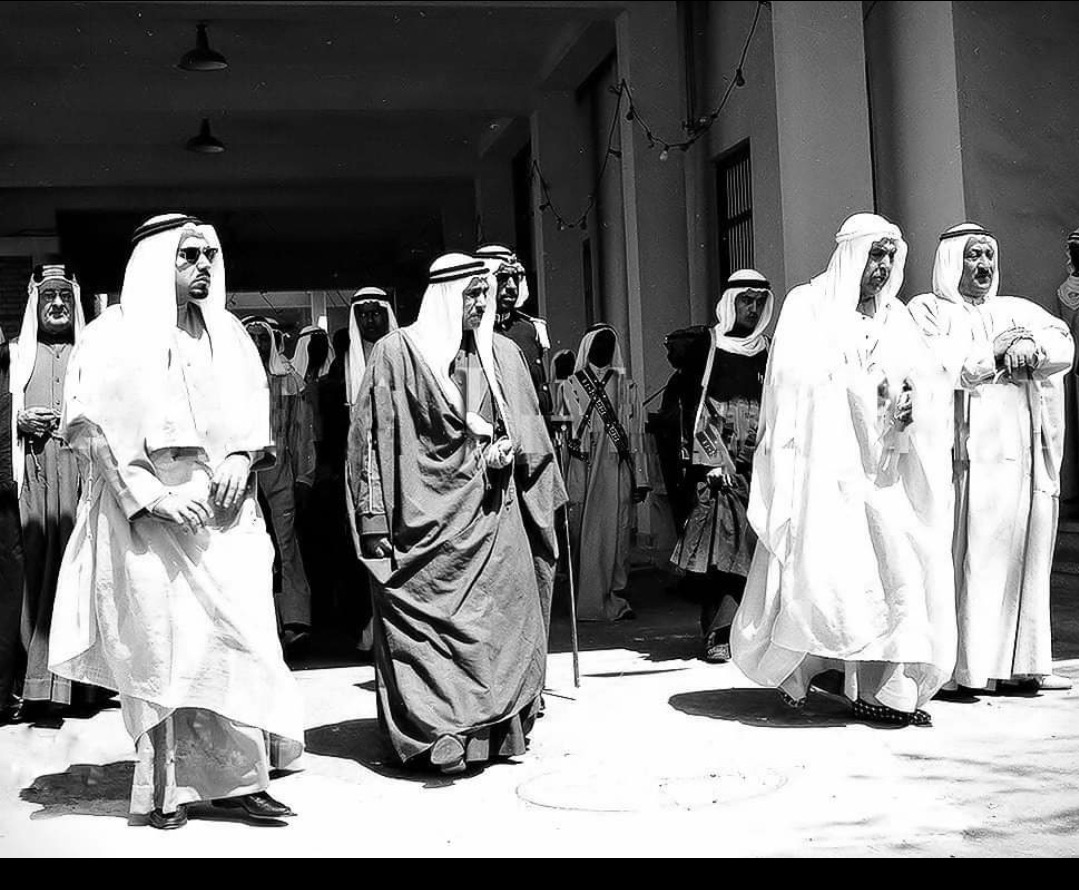
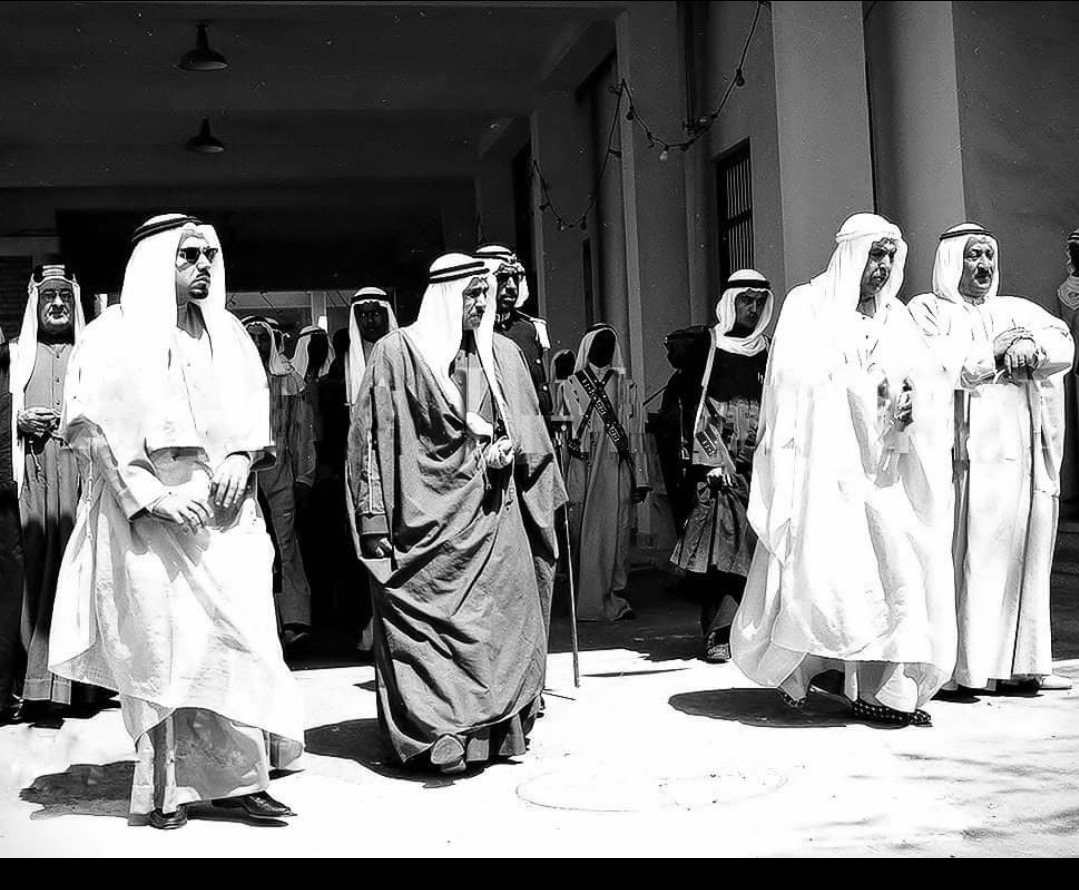
His Highness Sheikh Sabah Al-Salem Al-Mubarak Al-Sabah, the 12th Amir of the State of Kuwait, assumed office on 24 November 1965 and served until his passing on 31 December 1977.
He received a traditional education focused on Quranic studies, Arabic language, and literature, and held several senior government positions before assuming the leadership of the State.
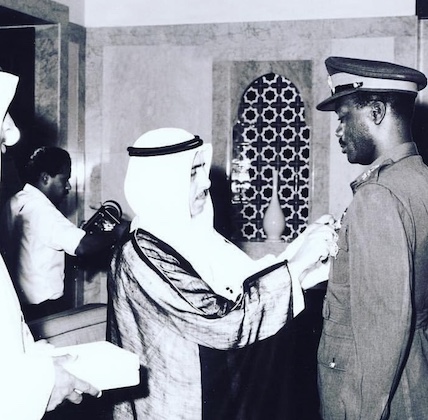
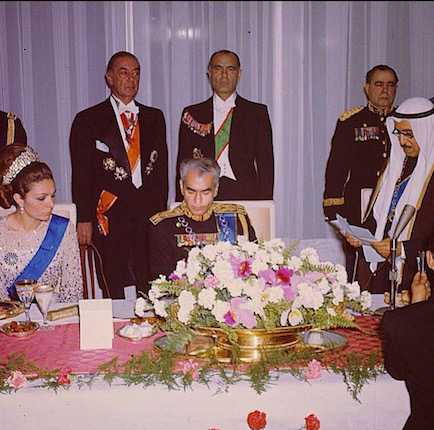
His reign witnessed significant developments in education, economic policy, social infrastructure, and urban planning, alongside the expansion of Kuwait's diplomatic relations and regional and international engagement.
Key Historical Milestones
-
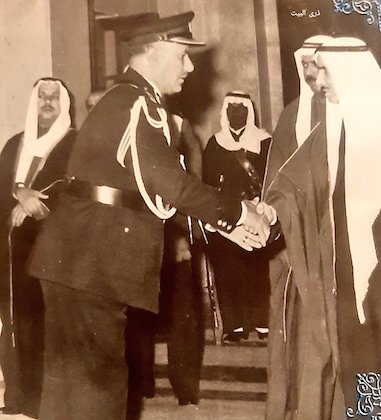
1955: The Kuwaiti Police Department advanced its training and organizational capabilities during his tenure.
-
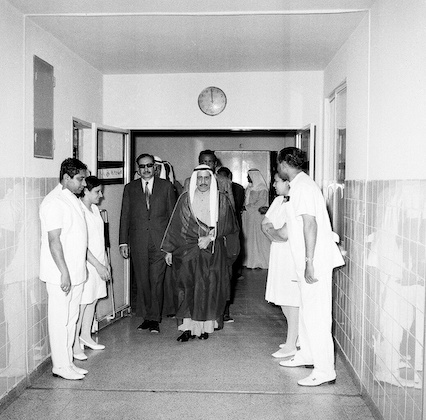
1959: Appointed Head of the Public Health Department.
-
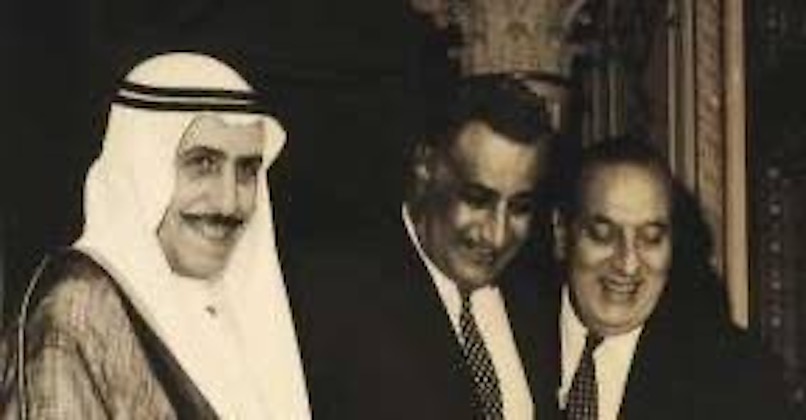
1962: Appointed Kuwait's first Minister of Foreign Affairs on 17 January.
-
1962: Appointed Crown Prince of the State of Kuwait on 29 October.
-
1965: Assumed office as the 12th Amir of Kuwait on 24 November.
-
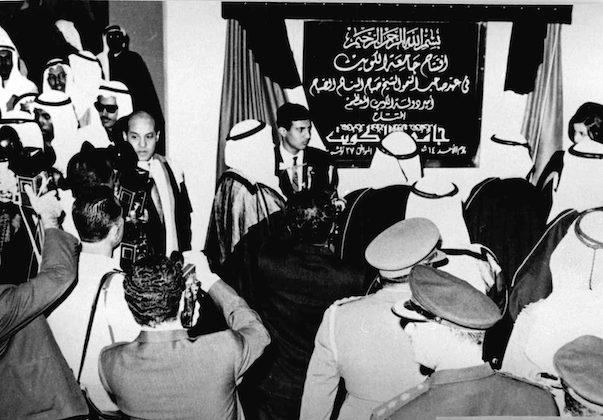
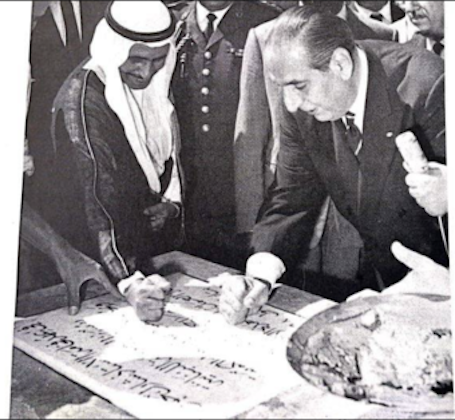
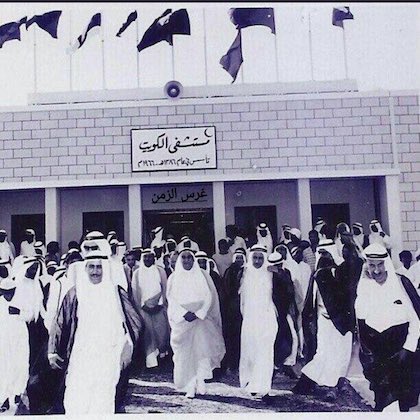
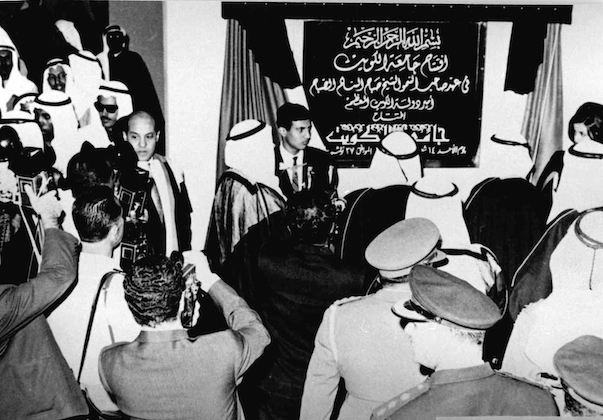
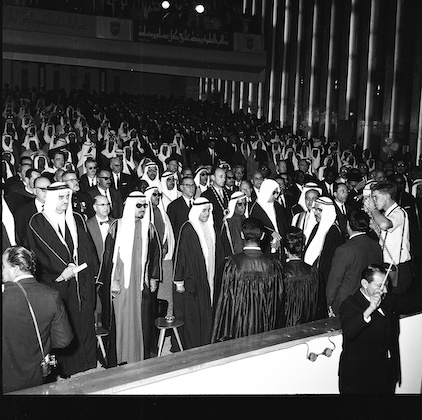
1966: Officially inaugurated Kuwait University on 27 November.
-
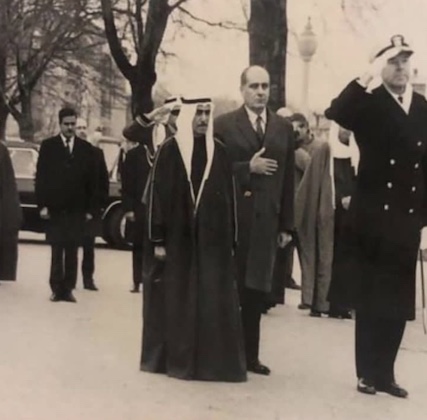
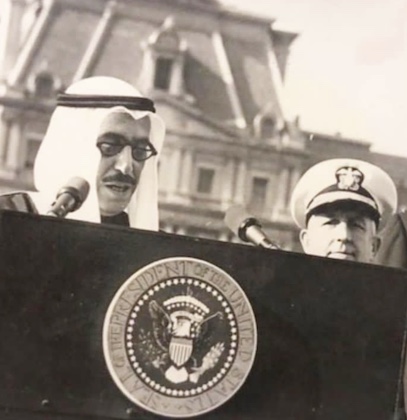
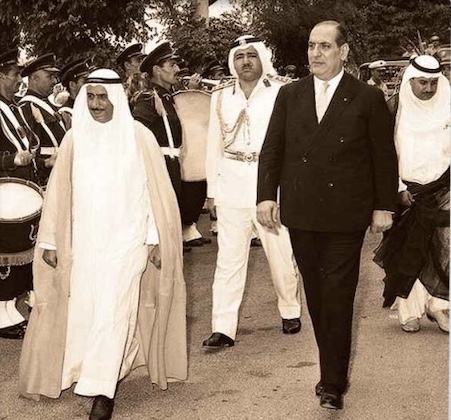
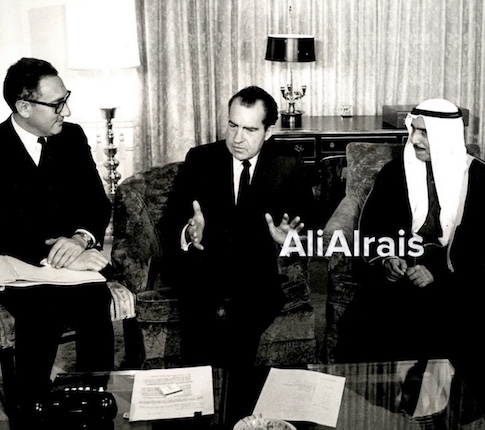
1968: Undertook an official visit to the United States and met President Lyndon B. Johnson on 11 December.
-
1976: His reign witnessed the establishment of the Sabah Al-Salem Al-Mubarak Al-Sabah Foundation and the Future Generations Fund.
Establishment of the Sabah Al-Salem Al-Mubarak Al-Sabah Foundation
The Sabah Al-Salem Al-Mubarak Al-Sabah Foundation was established on 14 January 1976 at the initiative of the late Amir as a non-profit institution dedicated to supporting education, scientific research, academically distinguished students, and achievements in the scientific, cultural, and literary fields.
The Foundation was established with an initial capital allocation of KWD 2.1 million from its founder's personal funds, intended to support scholarships, researchers, academic institutions, and training initiatives.
The Foundation continues to pursue its founding objectives, reinforcing the role of education and knowledge in human capital development and community advancement.



























































.jpg)